
tempered glass suppliers
Understanding Snap Gauge Types A Comprehensive Overview Snap gauges are precision measuring tools used extensively in manufacturing and engineering to ensure the dimensional accuracy of various components. They are designed to quickly and accurately assess the size of an object, making them indispensable in quality control processes. In this article, we'll delve into the types of snap gauges, their functionalities, benefits, and applications. What is a Snap Gauge? A snap gauge, also known as a snap gauge micrometer or comparator, is a non-electric measuring device that translates the physical dimensions of an object into a measurable output. Snap gauges typically consist of a base, a measuring element, and a measuring jaw. The jaws are set to specific dimensions and can snap onto the object being measured, providing a clear indication of whether the component meets required specifications. Types of Snap Gauges 1. Fixed Snap Gauges Fixed snap gauges have non-adjustable measurements and are used for checking components with established tolerances. They are designed to provide a quick pass or fail judgment based on whether the workpiece fits between the jaws. These types of gauges are most commonly used in high-volume manufacturing where consistency is critical. 2. Adjustable Snap Gauges Unlike fixed gauges, adjustable snap gauges allow the user to set the measurement to be checked. This flexibility makes them useful for inspecting a variety of parts with different specifications. Adjustability is typically achieved through a calibrated mechanism, which may include a micrometer screw, to fine-tune the settings to the desired dimension. 3. Go/No-Go Snap Gauges Go/No-Go snap gauges are designed with two ends - one marked Go and the other No-Go. The Go end should fit the object if it is within acceptable limits, while the No-Go end should not. This type is straightforward and efficient for ensuring parts are manufactured within tolerances without needing to take precise measurements. 4. Electronic Snap Gauges A more modern development, electronic snap gauges incorporate digital readouts. These gauges can provide more precise measurements and offer functionalities such as data logging and connectivity with other systems for enhanced quality control processes. They are suitable for industries where precision and data analysis are paramount. snap gauge types Benefits of Using Snap Gauges Snap gauges offer numerous advantages in manufacturing and inspection processes. Their primary benefits include - Speed Snap gauges can assess a part's size almost instantly, making them ideal for high-production environments. - Simplicity The ease of use reduces the learning curve for operators, allowing employees to quickly become proficient in measurement. - Consistency With fixed designs or calibrated settings, snap gauges provide reliable measurements, ensuring that products consistently meet specified tolerances. - Cost-Effectiveness Compared to other advanced measuring tools, snap gauges are relatively affordable, making them accessible for a wide range of businesses. Applications in Various Industries Snap gauges find applications across numerous sectors, including - Automotive Manufacturing Ensuring the precise dimensions of engine components and chassis parts. - Aerospace Measuring critical components where precise dimensions are vital for safety and performance. - Consumer Electronics Ensuring that housing parts and internal components fit together seamlessly. - Medical Devices Checking the dimensional accuracy of components that must meet strict regulatory requirements. Conclusion In conclusion, snap gauges are essential tools in many industries, providing fast and reliable measurements to uphold quality standards. Understanding the various types of snap gauges and their applications can help businesses optimize their measurement processes and ensure product reliability. As technology advances, incorporating more sophisticated gauges can further enhance accuracy and efficiency in manufacturing practices.
about
tempered glass suppliers
Replacing Water Cut-Off Valves A Comprehensive Guide Water cut-off valves are vital components in plumbing systems, allowing homeowners to control the flow of water to different areas of their property. Over time, these valves may wear out or become faulty, leading to leaks, decreased water pressure, or difficulties in shutting off the water supply during emergencies. Understanding how to replace these valves not only helps in maintaining the plumbing system but also empowers homeowners to take charge of their water management. Understanding Water Cut-Off Valves A water cut-off valve is designed to stop the flow of water when needed. It is typically located near fixtures like sinks, toilets, and appliances like washing machines. There are several types of cut-off valves, including ball valves, gate valves, and stop valves, each functioning slightly differently but serving the same essential purpose. Signs of a Failing Valve Recognizing the need to replace a water cut-off valve is crucial. Common signs include - Leaking Water pooling around the valve is a clear indicator that it may need replacement. - Difficulty Turning If the valve handle feels stiff or requires excessive force to turn, it may be worn out. - Rust or Corrosion Visible signs of rust can affect the functionality of the valve and indicate a need for replacement. Tools and Materials Needed Before starting the replacement process, gather the necessary tools and materials - Pipe wrench or adjustable wrench - Pipe cutter or hacksaw - New cut-off valve (ensure it matches the size of the old one) - Teflon tape or pipe joint compound - Bucket or towel (to catch any water) Steps for Replacing a Water Cut-Off Valve replacing water cut off valves 1. Turn Off the Main Water Supply Before making any changes, ensure the main water supply to your home is turned off to prevent flooding. 2. Drain the Faucet Open the faucet connected to the valve to drain any remaining water in the pipes. 3. Remove the Old Valve Using a wrench, carefully loosen the nuts or fittings holding the old valve in place. Be cautious, as water may still be present in the pipes. Once loose, remove the valve completely. 4. Prepare the New Valve Wrap Teflon tape around the threads of the new valve to ensure a watertight seal. This step is essential for preventing leaks. 5. Install the New Valve Attach the new valve to the plumbing, ensuring it aligns with the existing pipes. Tighten the fittings by hand, followed by a wrench to secure them, but avoid overtightening, which could damage the valve. 6. Turn the Water Supply Back On Once the new valve is installed, turn the main water supply back on and check for any leaks around the new valve. 7. Test the Valve Turn the new valve on and off to ensure it functions correctly. Look carefully for any signs of leakage during this process. Conclusion Replacing water cut-off valves can be a straightforward DIY task that saves money on plumbing services and ensures your home’s plumbing system functions effectively. By being aware of the signs that indicate a failing valve and following the above steps, homeowners can maintain better control over their water supply and avoid costly repairs in the future. Always remember safety first, and when in doubt, consult a professional plumber for assistance.
-

High quality industrial productsagement

High quality industrial products
View Details -

Meet the diverse needs of customers

Meet the diverse needs of customers
View Details -

Strict quality control

Strict quality control
View Details -

Top raw materials

Top raw materials
View Details -

Trusted supplier

Trusted supplier
View Details
Our application

news and information
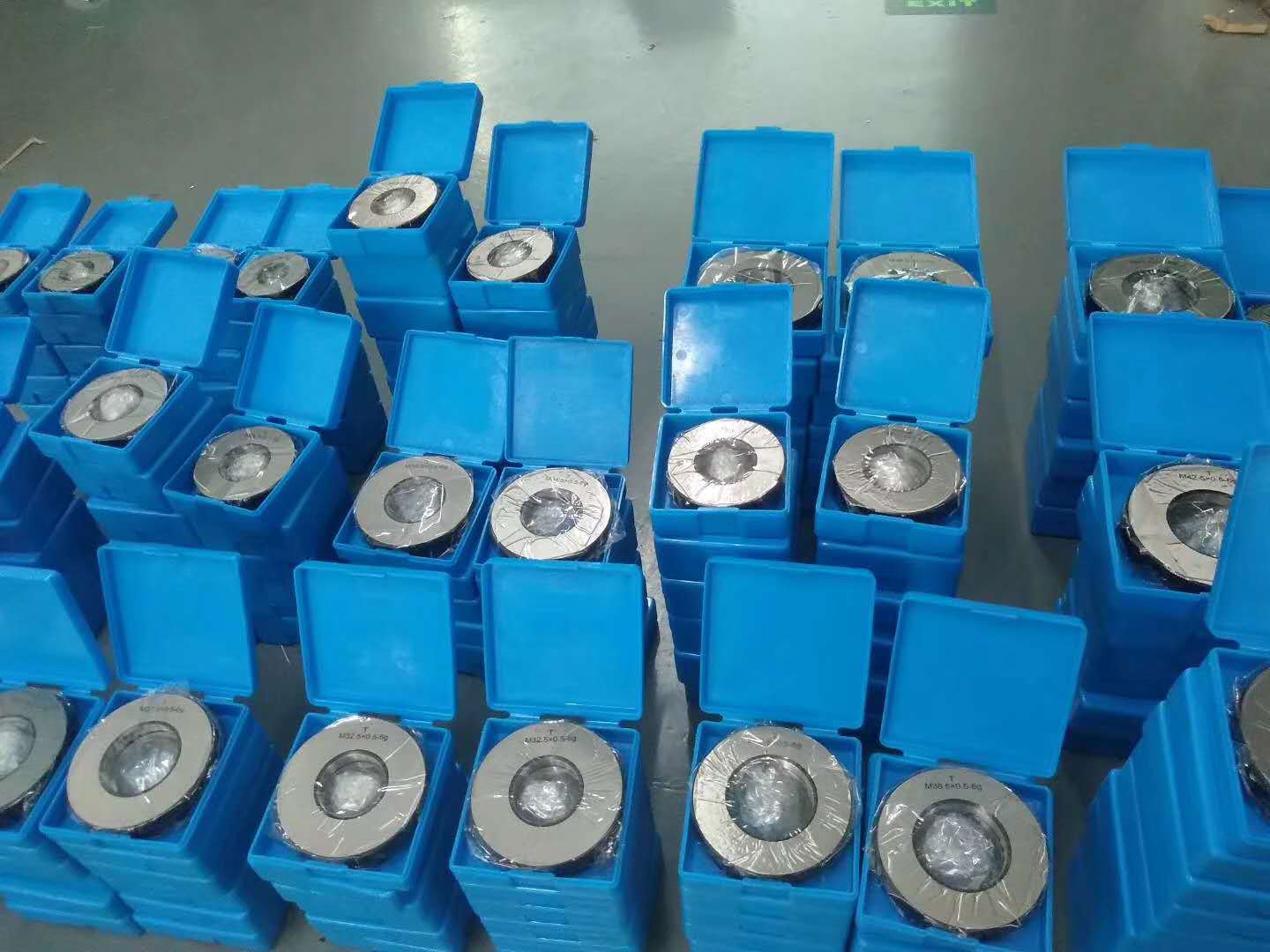
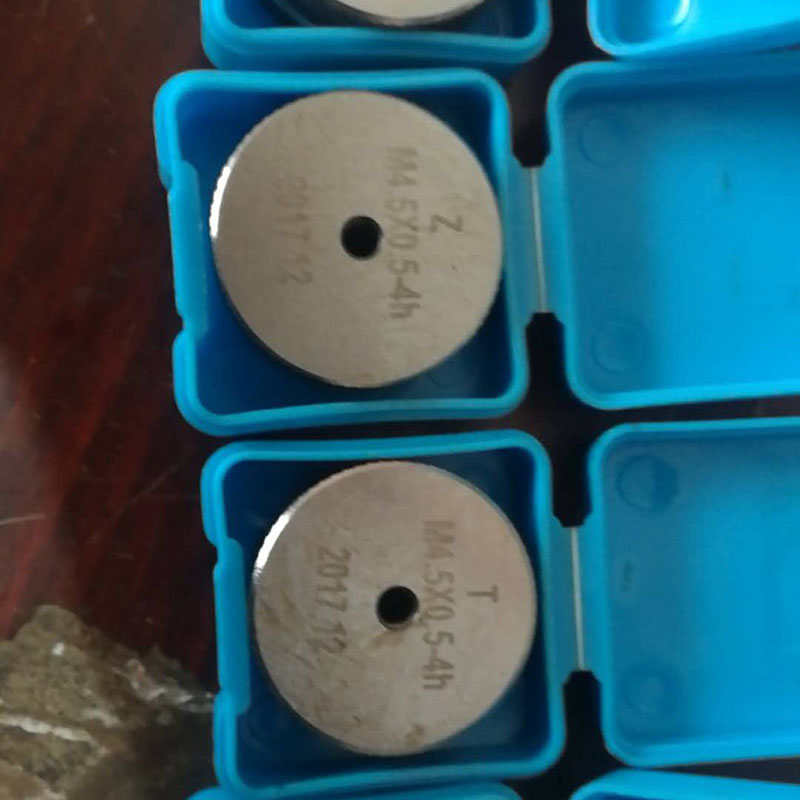
Versatile Thread Ring Gauge for Precision Measurement and Adjustment in Manufacturing Applications
adjustable thread ring gauge .
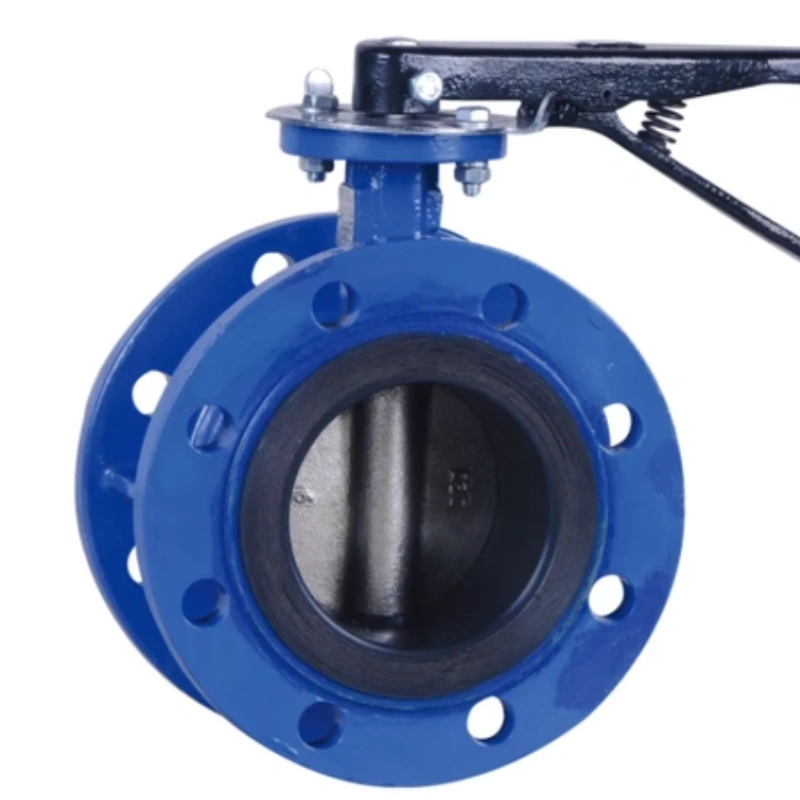
Van bướm chất lượng cao - Giải pháp van công nghiệp hiệu quả
Công ty van bướm (butterfly valve company) đã và đang đóng một vai trò quan trọng trong ngành công n
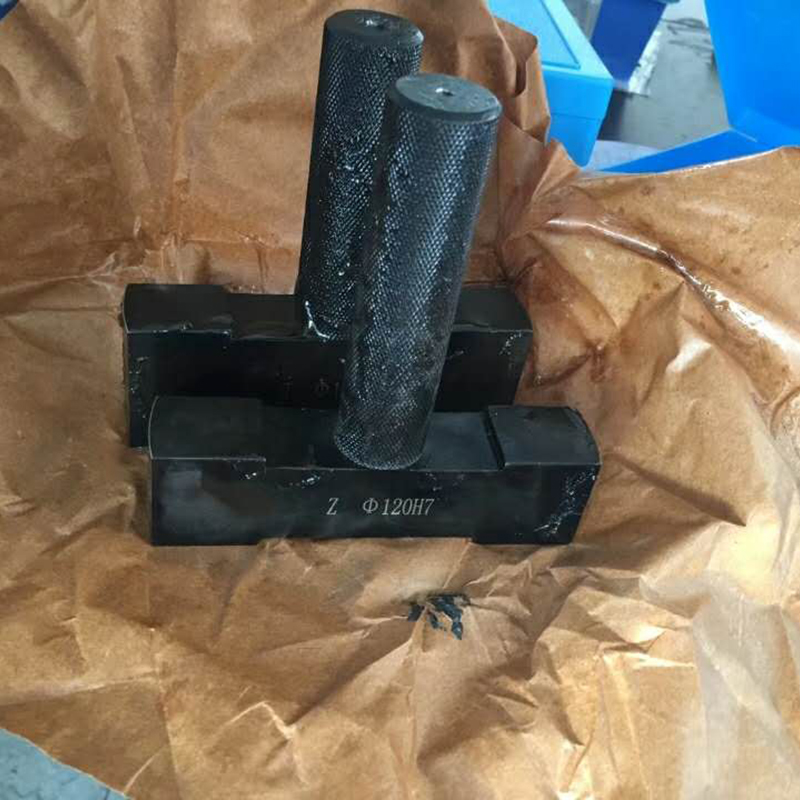
Wählen Sie Schnappmesser
Der Dial-Snap-Gauge ist ein essenzielles Werkzeug in der Welt der Messtechnik und Qualitätssicherung
 English